Are you missing teeth and looking for partial dentures?
If you’re in Brooklyn, Dr. Khabensky at University Dental Associates, recognized by the American Academy of Cosmetic Dentistry, provides expert solutions to rejuvenate your smile’s functionality and appearance. Partial dentures, including complete and removable options, effectively improve your appearance. They are often more budget-friendly than dental implants and fixed dentures.
This article covers the benefits of partial dentures.
This article explores the advantages of partial dentures. We will explain the fitting process and guide you in finding the right cosmetic dentist nearby, empowering you to make informed decisions about your dental health and dental care.
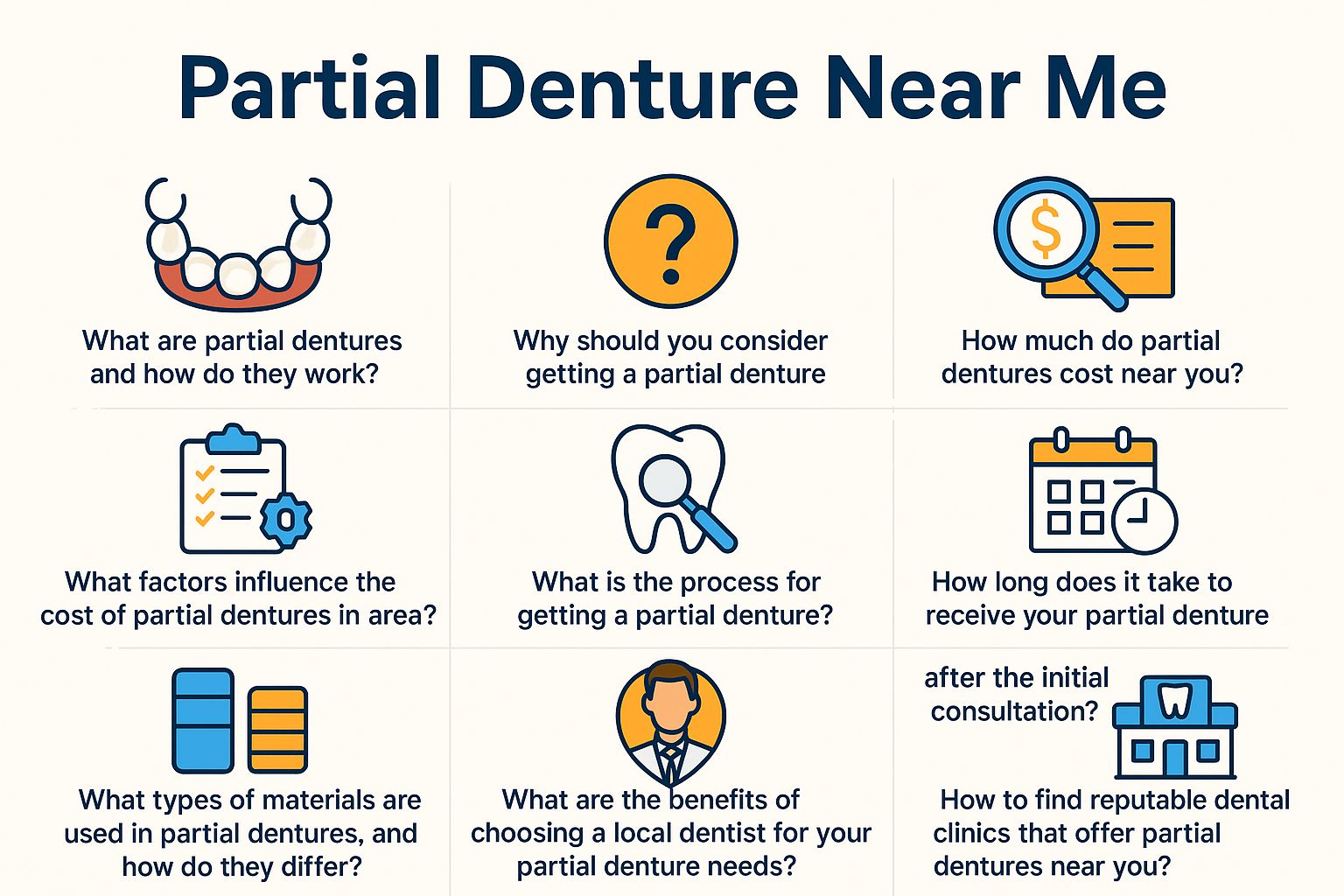
What are partial dentures and how do they work?
Partial dentures are custom-made devices that replace missing teeth. They enhance functionality and support gum tissue and natural teeth.
These dentures have two main components. One is a base made from acrylic resin that mimics the color of natural gums, and the other is a metal framework for stability. The framework usually features clasps that attach to existing natural teeth, ensuring that the partial denture remains securely in position during daily activities.
For durability, materials like cobalt-chromium (Co-Cr) can be used for the metal framework. These materials enhance the overall lifespan and comfort of the dentures, adapting effectively to the patient’s bite and oral anatomy, which is crucial in preventing tooth decay and bone loss.
Why should you consider getting a partial denture?
A partial denture enhances dental health and boosts self-esteem. It restores the ability to chew and speak effectively. A well-fitting partial denture improves oral function and aesthetic appearance by addressing gaps created by missing teeth, offering solutions like prosthetic tooth replacements and dental bridges.
For example, traditional acrylic options provide stability during chewing, while flexible dentures offer increased comfort and a more natural look. Many patients report a boost in confidence during social interactions following the acquisition of their dentures. One patient expressed satisfaction by stating, “I can enjoy meals again without worrying about my teeth.”
Consult a dental specialist to select the right partial denture. They can assess your needs and recommend suitable materials for long-lasting results, especially in cases involving tooth extraction or teeth extraction.
How much do partial dentures cost near you?
Partial dentures usually cost between $500 and $2,500. This price varies based on location, complexity, and the dentist’s expertise. Factors such as denture repair and denture cleaning may also affect costs.
In Brooklyn, for example, average costs tend to be higher due to increased overhead, with basic sets averaging approximately $1,200.
Many dental insurance plans cover part of the denture costs. Check with your provider for details. Additionally, dental offices often provide financing options, allowing patients to manage costs with monthly payments as low as $50.
Some clinics also implement sliding scale fees based on income, which can enhance affordability for patients facing financial constraints.
What factors influence the cost of partial dentures in your area?
Several factors influence the cost of partial dentures. These include material choice, impression complexity, and the dentist’s experience.
The type of material selected is a significant determinant of cost. For instance, acrylic dentures, which are generally more affordable, typically range from $300 to $500, whereas porcelain dentures, known for their durability and aesthetic appeal, can cost $800 or more.
Customization also affects pricing; basic designs may cost less than $500, but the addition of personalized features can considerably increase the overall expense.
Furthermore, the dental clinic’s location also impacts pricing, with urban centers typically charging more. If additional procedures, such as tooth extractions, are required, this will further augment the total cost.
What is the process for getting a partial denture?
Getting a partial denture involves these steps:
- Schedule an initial consultation with a dental specialist, lasting about 30 minutes. You will discuss your needs and take dental impressions, which takes around one hour.
- You will receive a temporary fitting to check comfort for about two weeks. Any adjustments may take 30 minutes to an hour per visit.
- The final fitting ensures everything is satisfactory and may take about an hour. The entire process can take several weeks, depending on individual needs.
How long does it take to receive your partial denture after the initial consultation?
Custom partial dentures typically take a few weeks to a couple of months to receive. This process occurs in three main phases.
- The first phase is taking impressions, lasting about 1-2 weeks. The dentist will ensure the molds are accurate for a good fit.
- The second phase is fabrication, taking about 2-4 weeks. A dental technician will create the dentures based on the impressions.
- Finally, follow-up appointments for adjustments may take an additional 1-2 weeks. This ensures comfort and functionality meet your expectations.
What types of materials are used in partial dentures, and how do they differ?
Partial dentures are made from different materials, each offering unique benefits for durability, appearance, and cost.
Common materials include acrylic resin, metal frameworks, and flexible dentures.
Acrylic resin is lightweight and affordable, making it a good choice for those on a budget. Metal frameworks are stronger and more durable.
Flexible dentures are usually pricier but offer better comfort and fit due to their flexibility.
Consider your budget, lifestyle, and the level of support you need when choosing the right dentures.
What are the benefits of choosing a local dentist for your partial denture needs?
Choosing a local dentist for partial dentures improves communication and care tailored to your needs.
A nearby practice allows for easier follow-up appointments and less travel time. For example, Dr. Smith’s dental clinic in Springfield has established a strong reputation for fostering a comfortable environment, which is particularly beneficial for anxious patients. The clinic utilizes digital impressions and 3D printing technology to ensure precise fittings, thereby maximizing patient comfort.
Patient testimonials show that aftercare support has led to a 95% satisfaction rate for denture adjustments, reducing mouth irritation and fostering better oral hygiene. Engaging with a local dentist not only cultivates trust but also streamlines ongoing care.
How to find reputable dental clinics that offer partial dentures near you?
To find a good dental clinic for partial dentures, research credentials, reviews, and services.
Start by checking online reviews on Google or Yelp for patient satisfaction. Clinics such as ABC Dental and SmileNYC in New York City are recognized for their exemplary service.
Next, verify the dentist’s qualifications. Ensure they are members of the American Dental Association (ADA) and experienced in denture procedures.
Schedule a consultation at the clinics to discuss your needs and evaluate the staff’s professionalism.
What questions should you ask your dentist about partial dentures?
Before getting partial dentures, ask your dentist important questions for the best care.
- Begin by inquiring about the type of partial denture that is most suitable for your individual needs, whether it be cast metal, acrylic, or flexible options.
- Following this, seek clarification on the overall timeline for the entire process, including fittings and any necessary adjustments.
- Request care instructions to maintain your dentures effectively. For instance, understanding the necessity of soaking them overnight and brushing them regularly is vital for maintaining proper hygiene.
- Finally, discuss the anticipated costs, which can vary significantly based on the materials utilized and your specific dental requirements.
Getting answers to these questions helps you make informed decisions about your dental care.
How to care for and maintain your partial dentures for longevity according to dental technicians?
Proper care extends the lifespan of your partial dentures, keeping them functional and comfortable, as recommended by University Dental Associates.
To maintain your partial dentures, it is essential to clean them daily with a denture cleaner or mild soap to prevent plaque buildup. Additionally, soaking them overnight in a solution specifically formulated for dentures is crucial for maintaining their shape.
It is advisable to avoid the use of hot water, as it can warp the material. Avoid abrasive materials that can scratch the surface and encourage bacteria.
Always handle dentures with care to prevent any damage, thereby ensuring they remain in optimal condition for years to come.
What are the common challenges or discomforts associated with partial dentures, and how can denture adhesive help?
Common Challenges with Partial Dentures and How Denture Adhesive Can Help
While partial dentures offer significant benefits, patients may face challenges such as discomfort, inadequate fit, or oral irritation during the adjustment period.
To alleviate discomfort, it is advisable to begin by wearing dentures for shorter intervals, gradually increasing the duration as the mouth acclimates. The use of dental adhesives can enhance fit and stability, thereby reducing irritation.
If you experience gum soreness, rinse with warm salt water to promote healing. Patients often find it beneficial to modify their diet by initially consuming softer foods, such as yogurt and mashed potatoes, and gradually reintroducing firmer items as comfort levels improve.
Regular follow-up appointments with the dentist are essential to ensure timely adjustments, thereby enhancing overall comfort and addressing any issues with denture adhesive.
Are there any alternatives to partial dentures you should consider, such as immediate dentures or dental crowns?
Alternatives such as dental implants and bridges offer viable options for tooth replacement, each presenting unique benefits and considerations.
Dental implants provide a permanent solution by integrating with the jawbone, resulting in a natural feel. However, this option typically incurs a higher cost, ranging from $3,000 to $4,500 per tooth.
In contrast, dental bridges are less invasive and generally cost between $1,000 and $1,500 per tooth, though they rely on the health of the surrounding teeth for support.
Flexible dentures represent another alternative, particularly suitable for patients who prioritize comfort. The cost for flexible dentures typically ranges from $600 to $1,000, although they may require adjustments over time.
Ultimately, the choice among these options depends on factors such as budget, existing dental health, and individual preferences.
How can you ensure a good fit and comfort with your partial denture, and what role does a dental plan play?
Ensuring a Good Fit and Comfort with Your Partial Denture
Ensuring an appropriate fit for a partial denture is essential for both comfort and functionality, necessitating meticulous attention during the fitting process.
During the fitting, tell your dentist about any discomfort or issues right away. Engaging in a discussion about potential adjustments is advisable, as many partial dentures can be refined to achieve a better fit.
Following the fitting, it is important to evaluate your comfort at home by identifying any sore spots or areas that may feel excessively tight. Regular follow-up appointments are crucial; it is recommended to schedule visits every few weeks initially to address any concerns that may arise.
Furthermore, practicing proper oral hygiene is vital to maintaining the longevity of the denture and ensuring a comfortable fit over time.
Expected Lifespan of Partial Dentures
Partial dentures typically last 5 to 10 years. This depends on care, wear, and changes in oral health, as outlined by the American Dental Association.
Watch for clear signs that you need a replacement. Signs of deterioration include visible cracks or discoloration in the material.
Additionally, Changes in fit, such as discomfort or looseness, may mean your denture isn’t fitting right anymore.
See your dentist every six months to check your dentures and oral health. This helps maintain comfort and function.
What to Expect During Follow-Up Appointments for Partial Dentures
Follow-up appointments are vital for your comfort and the lifespan of partial dentures. They allow for important adjustments.
Expect adjustments within the first week after fitting. This helps resolve discomfort and bite issues.
Your dentist will evaluate your oral health every six months. This helps monitor wear, decay, and denture fit.
These visits allow you to discuss care and share your experiences. This feedback is key to your satisfaction.
Using your feedback leads to better adjustments, improving your overall comfort.