Are Dentures Covered by Insurance?
Many people ask this when considering full or removable dentures. Understanding the nuances of dental insurance, including policies from providers like Aflac, is vital for anyone seeking financial relief. In this article, we’ll explore the coverage options for various types of dentures, including implant-supported dentures, and help you navigate your insurance plan to maximize benefits. Get ready to uncover the financial aspects of your dental health journey!
What Are Dentures?
Dentures are removable appliances that replace lost teeth. They help restore oral health and improve smiles.
There are two primary types of dentures: complete and partial. Complete dentures are utilized when all teeth are absent, while partial dentures are employed to fill in the gaps created by one or more missing teeth, crucial for maintaining mouth health.
Dental professionals create customized dentures. They take impressions and measurements to ensure a proper fit. This degree of personalization not only improves comfort but also enhances confidence, allowing individuals to engage in daily activities such as eating and speaking without apprehension.
Regular follow-up appointments are important for maintaining the effectiveness and comfort of dentures over time, including addressing any gum irritation issues.
Different Types of Dentures
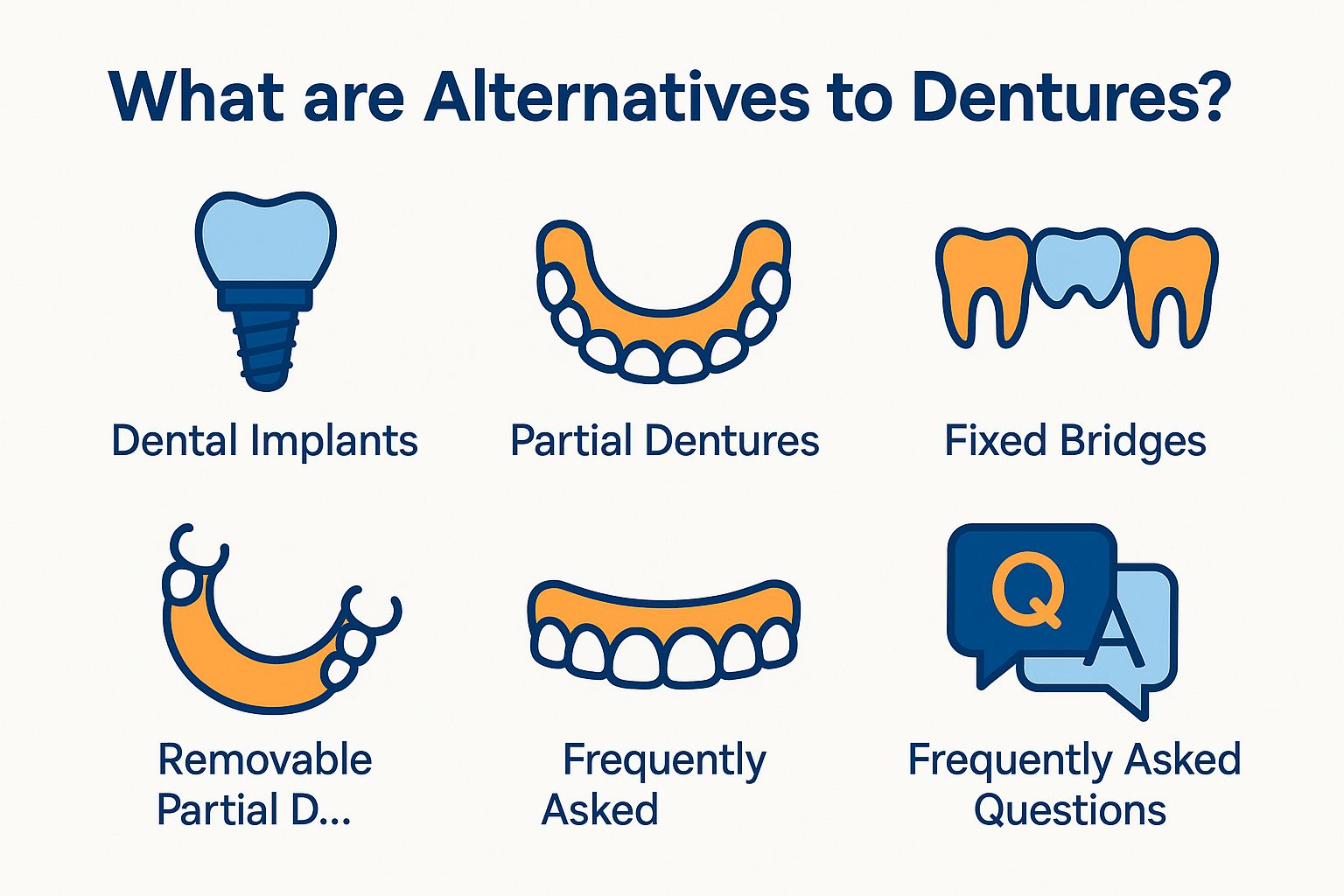
There are several types of dentures available, including full dentures, partial dentures, and implant-supported dentures, each designed to address specific dental needs.
Full dentures are ideal for those who have lost all teeth. They restore function and provide a natural look.
Partial dentures cater to those who have several missing teeth, seamlessly integrating with the remaining natural teeth and often securing themselves to these teeth for additional support.
In contrast, implant-supported dentures, which are generally more expensive, are anchored directly to dental implants. This design offers enhanced stability and comfort compared to traditional dentures and helps prevent bone loss.
Each type of denture addresses different dental requirements, making it essential to consult with a dental professional to determine the most appropriate option.
Understanding Your Dental Insurance
Dental insurance can substantially reduce the financial burden associated with dental procedures; however, a comprehensive understanding of its intricacies is essential for optimizing its benefits.
Understanding Dental Insurance
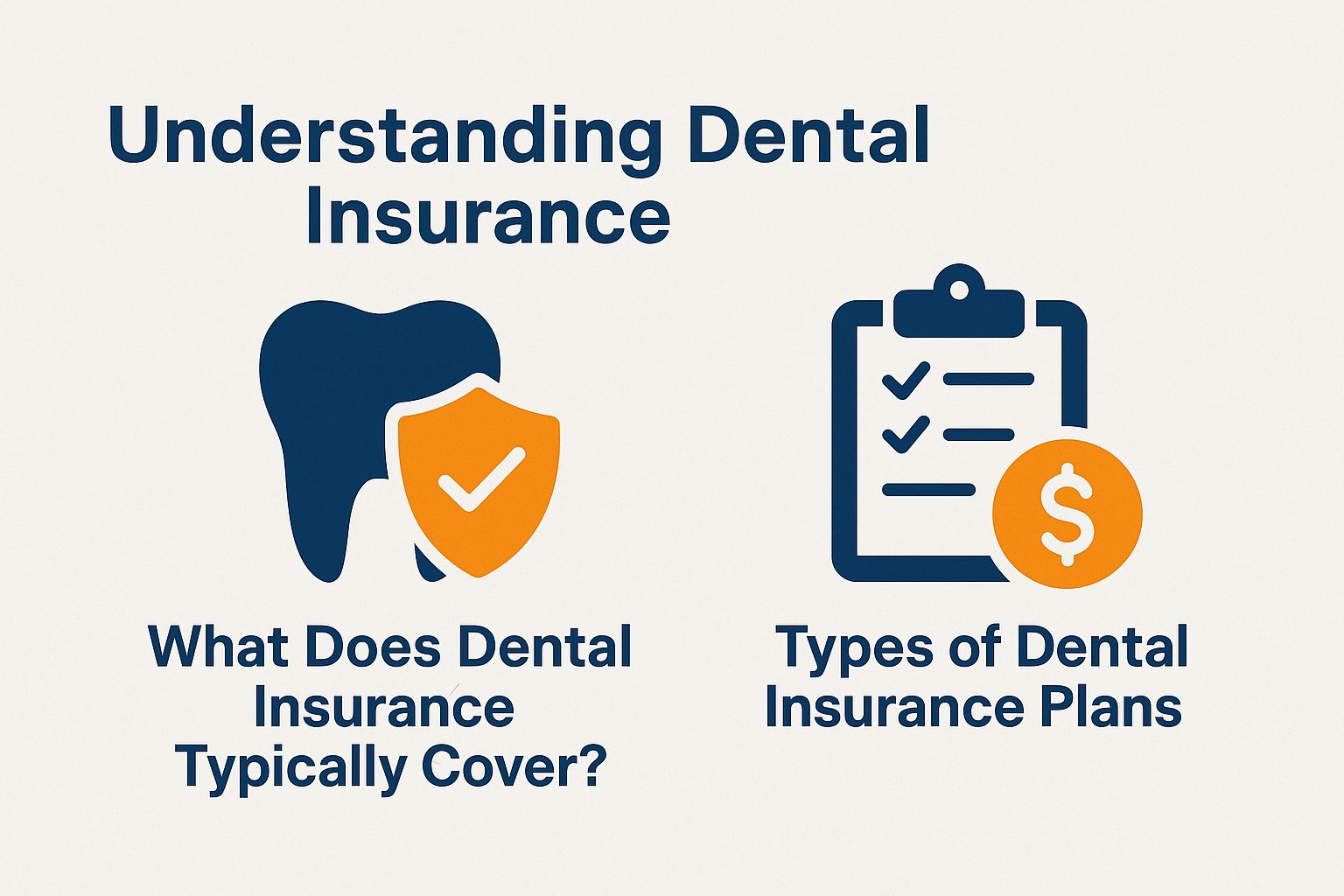
What Does Dental Insurance Typically Cover?
Most dental insurance plans provide coverage for preventive services, such as cleanings and examinations, and frequently extend some level of coverage for restorative services, including dentures.
Preventive care generally encompasses two cleanings and one examination annually, typically resulting in minimal to no out-of-pocket expenses for the patient.
In contrast, restorative services, such as fillings or crowns, often involve a shared cost structure, where the insurance provider may cover 50-80% of the expenses, thereby presenting patients with a considerable co-payment. For example, a crown with a total cost of $1,000 may leave the patient responsible for an out-of-pocket expense ranging from $300 to $500 after insurance reimbursement.
Review your insurance plan carefully. Look at coverage limits, waiting periods, and annual maximums in order to fully comprehend your financial obligations.
Types of Dental Insurance Plans
There are several types of dental insurance plans available, including Preferred Provider Organizations (PPOs), Health Maintenance Organizations (HMOs), and dental savings plans, each offering unique benefits and limitations.
PPOs provide a degree of flexibility, allowing individuals to visit any dentist; however, they offer reduced costs for services rendered by in-network providers. Conversely, HMOs operate within a specific network and typically require referrals for specialist consultations. While this can be somewhat restrictive, HMOs generally come with lower premium costs.
Dental savings plans, while not classified as insurance, offer discounts on various dental services, thus promoting more affordable care.
When choosing a dental plan, consider these factors:
- Monthly premiums
- Out-of-pocket expenses
- Provider networks
- The range of specific treatments covered
This assessment helps you maximize coverage and save on dental care costs.
Is your denture covered by insurance?
Determining whether dentures are covered by insurance necessitates a thorough examination of the specific plan details. Coverage can vary greatly.
Dentures Coverage Variations by Plan
Dentures coverage varies widely. Some plans offer comprehensive support, while others provide minimal assistance. Always evaluate your options.
For example, Aflac’s Dental Insurance covers up to 50% of denture costs after a waiting period. This can help with major restorations like acrylic or porcelain dentures.
Conversely, Humana’s Dental PPO plans cover about 80% of denture costs once the deductible is met. It is essential to meticulously review the fine print and compare these coverage percentages along with any associated costs.
This analysis helps you choose a cost-efficient dental plan that fits your needs and budget.
Common Limitations
Common dental insurance limitations include waiting periods, annual caps, and exclusions for certain dentures.
For example, waiting periods usually last from 6 to 12 months. This can delay essential treatments for patients.
Annual caps often limit coverage to $1,000-$2,000. This amount is often not enough for comprehensive denture procedures that can exceed $3,000.
Additionally, some policies might exclude cosmetic dentures or have specific eligibility conditions that must be met before coverage is granted.
These limitations can lead to unexpected out-of-pocket costs, pushing patients to delay treatments or explore alternative payment options like dental savings plans.
Factors Influencing Coverage
Coverage for dentures typically depends on several factors, including the type of dentures and the reasons for needing them.
This adds complexity to insurance claims that needs careful navigation.
Type of Dentures
The type of dentures-full, partial, or implant-supported-affects the available insurance coverage.
Full dentures replace an entire arch of teeth and usually get more insurance coverage than partial dentures. For example, full dentures may be covered up to 80% by many plans, while partial dentures typically receive 50% to 70% coverage due to fitting complexities.
Implant-supported dentures are a premium option but often have limited coverage. Many plans provide only partial reimbursement for implants. It is advisable to review your policy specifics to understand any limits and requirements for claims.
Reason for Denture Use
The reason for needing dentures, whether medical or cosmetic, can greatly impact insurance coverage. For instance, if dentures are needed due to an accident or a medical condition like cancer, insurance often provides better coverage than for purely cosmetic reasons.
Each insurance provider has different policies. Some cover up to 80% for medical needs but only 50% for cosmetic procedures.
To navigate these complexities, carefully review your plan documents and consult your dentist and insurance representative for clarification on your benefits. Keeping thorough documentation of your situation will strengthen your coverage claims.
How to Maximize Your Insurance Benefits
To get the best coverage for dentures, patients should take proactive steps. This includes consulting dental professionals and managing their claims carefully.
Consulting with Your Dentist
Discuss treatment options, like snap-in dentures, and insurance details with your dentist. This can lead to better coverage outcomes.
To prepare for these discussions, it is advisable to review your insurance policy to get a good idea of coverage limits, deductibles, and co-pays.
Additionally, it is beneficial to compile a list of important questions to address during your appointment, such as:
- What treatments are covered by my insurance?
- Are there alternative procedures that may be eligible for coverage?
- What is the process for filing a claim?
Furthermore, bringing copies of your insurance card and any previous treatment records can facilitate accurate and productive discussions. This level of preparation, including knowledge about dental hygiene and dental care products, gives you the power to make informed decisions regarding your dental care.
Submitting Claims Correctly for Dental Coverage
Accurate claims submission is crucial. Including the right documentation significantly increases the chance of full dental coverage for custom-made dentures.
To effectively submit an insurance claim for dentures, please adhere to the following steps:
- Begin by gathering the necessary documents, including the dentist’s treatment plan, itemized invoices that detail the procedure and associated dental costs, and any relevant X-rays, if applicable.
- Complete the insurer’s claim form, ensuring that all fields are filled out with precision, including any details related to denture care.
- After submission, monitor the status of your claim online or through customer service.
- Keep copies of all submitted documents.
- Following up after a period of two weeks, if no response has been received, can help mitigate delays and facilitate the reimbursement process.
Alternatives to Insurance Coverage
For individuals lacking adequate insurance coverage, there are several alternatives available that can render denture care more affordable.
Payment Plans for Dental Expense Management
Many dental practices offer flexible payment plans to help patients manage the costs of dentures, including dental glue and denture cleaning, thereby alleviating significant financial burdens.
These payment plans typically include options such as:
- no-interest financing for a specified duration
- sliding scale fees based on income, helping mitigate oral issues
- monthly installment arrangements
For instance, CareCredit is a popular option that allows patients to finance their treatment over time, offering promotional financing solutions. Additionally, in-house financing plans may present more personalized terms, allowing patients to distribute costs over a year or longer.
It is crucial for patients to engage in direct communication with their dental provider regarding these options to identify a plan that aligns with their budget and financial circumstances.
Government Assistance Programs
Government assistance programs can help reduce dental costs, including expenses related to dentures, particularly for low-income individuals. Programs such as Medicaid offer coverage for various dental services, including examinations and dentures; however, eligibility criteria may vary by state.
Generally, individuals may qualify if their income falls below a specific threshold, typically set at 138% of the federal poverty level.
To access these benefits, it is advisable to begin by consulting your state’s Medicaid website and submitting an application online or in person at local offices. Additionally, non-profit organizations such as the Dental Lifeline Network provide resources for individuals unable to afford dental care, with volunteers frequently offering services at reduced rates.
Furthermore, researching local health clinics that implement sliding scale fees can also be advantageous for obtaining affordable dental care and professional cleaning services.
Final Thoughts on Dentures, Insurance, and Smile Improvement
Understanding dentures and dental insurance is key to successful smile restoration and enhancing overall quality of life. A comprehensive understanding of the various types of dentures-such as conventional, immediate, and implant-supported dentures-enables individuals to make informed decisions that align with their specific needs.
It is important to familiarize yourself with dental insurance plans that cover dentures. For instance, certain plans may offer partial coverage for conventional dentures, while others may include provisions for repairs or replacements. Utilizing resources such as the ADA’s Find-a-Dentist feature can facilitate connections with professionals who accept your insurance.
These proactive measures help individuals navigate the complex world of dental care.
Frequently Asked Questions
Are dentures covered by insurance?
The answer depends on your insurance coverage.
Which insurance plans cover dentures?
Most dental insurance plans cover dentures. Always check with your provider for details.
Are there age restrictions for denture coverage?
Most plans don’t have age restrictions. Some may limit coverage for younger individuals.
Do all dentists accept insurance for dentures?
Not all dentists accept insurance for dentures.
What if my insurance doesn’t cover dentures or oral prosthetics?
If your insurance doesn’t cover dentures, consider dental discount plans or financing options from your dentist.
What if I need adjustments or repairs for my dentures?
Most dental plans cover adjustments and repairs. Check with your provider for specifics.